
Discover the Power of High Protein Foods
Your complete guide to building strength, energy, and wellness through nutrient-dense protein sources. Learn which foods fuel your body, boost your fitness goals, and support your healthiest lifestyle.
Daily protein recommendation for most adults
Essential amino acids your body cannot produce
Different amino acids built from protein sources
Top Protein Sources to Know
From lean meats to plant-based options, explore the most nutrient-dense foods that deliver complete proteins and essential nutrients for your wellness journey.
Chicken Breast
One of the leanest protein sources available. A 100g serving contains approximately 31g of protein with minimal fat, making it ideal for muscle building and weight management.
Learn more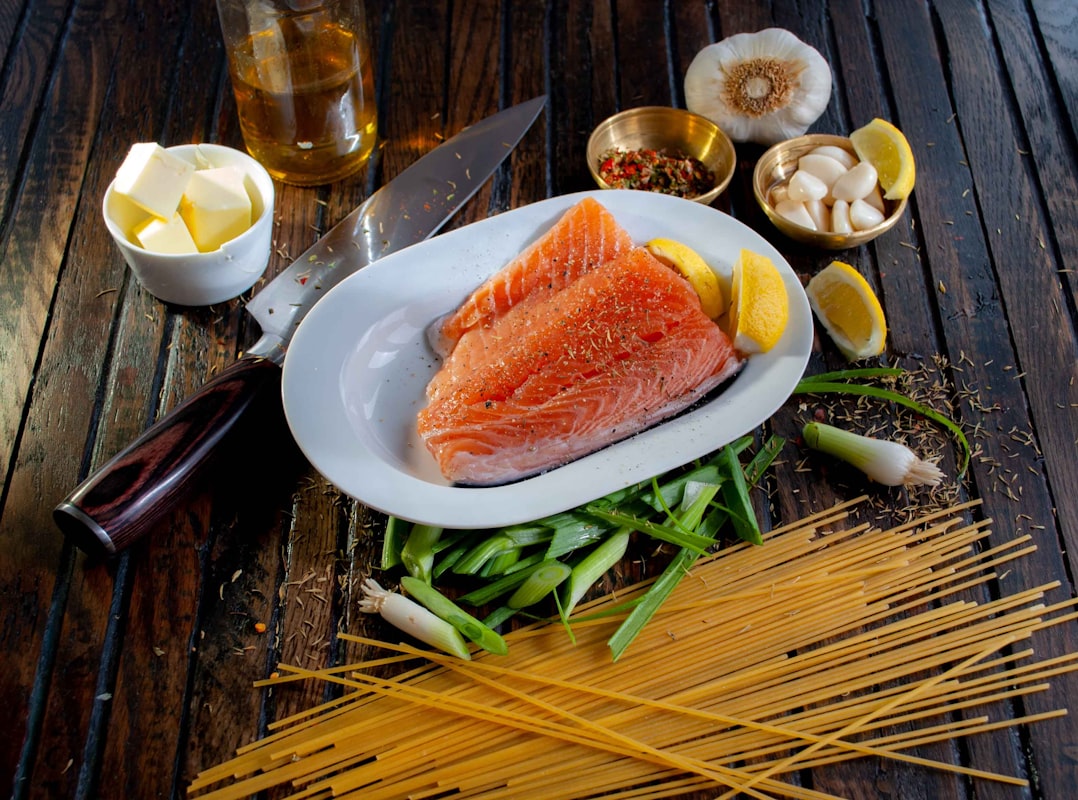
Greek Yogurt
Packed with protein and probiotics for gut health. One cup of plain Greek yogurt delivers 15-20g of protein, plus calcium for strong bones and teeth.
Learn more
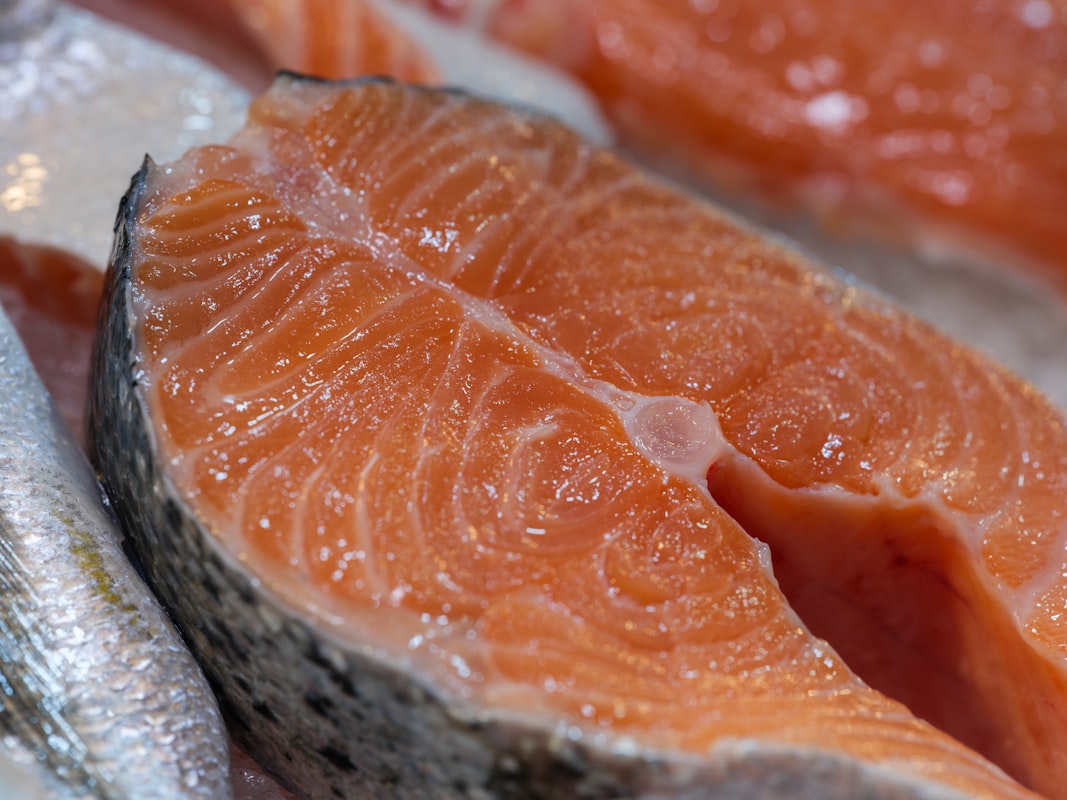
Salmon
Rich in protein and omega-3 fatty acids for cardiovascular wellness. A 100g serving provides 25g of protein plus heart-healthy unsaturated fats and vitamin D.
Learn more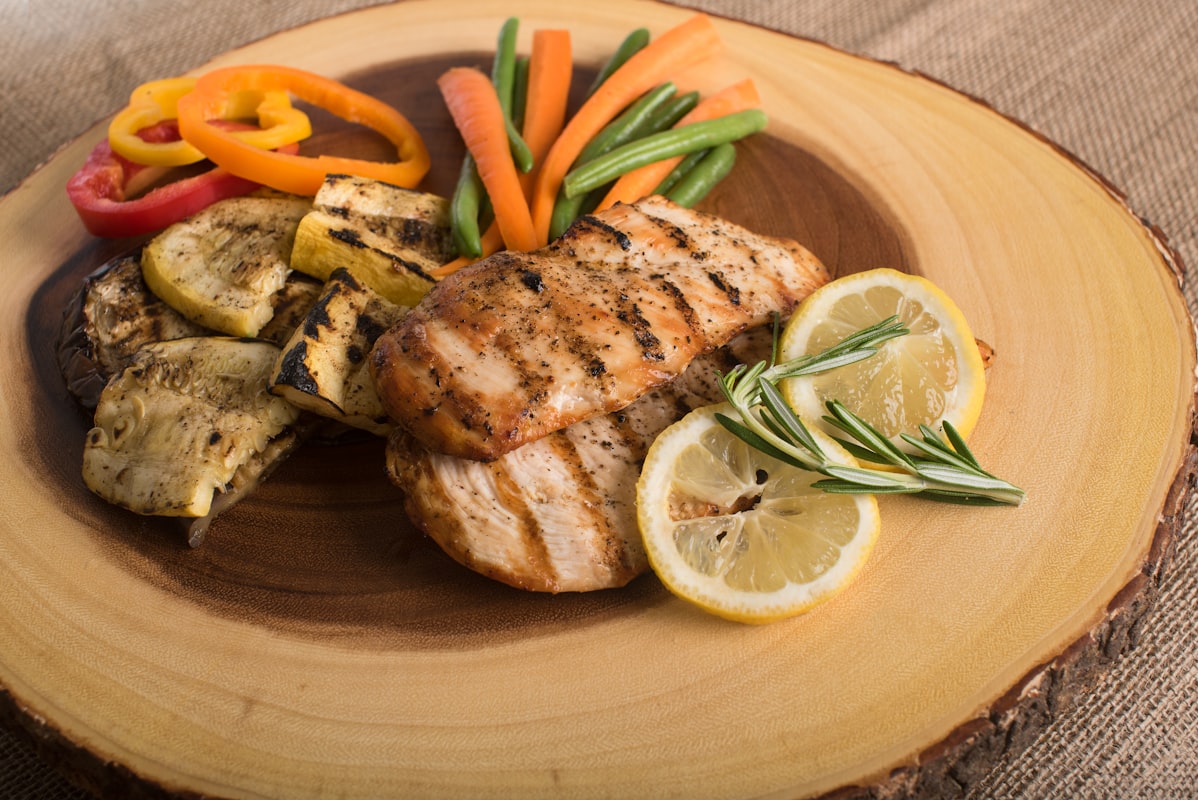
Eggs
Complete protein containing all nine essential amino acids. One large egg has 6g of protein and choline for brain health, plus lutein for eye wellness.
Learn more
Lentils
Plant-based powerhouse with 9g of protein per cooked cup, plus fiber for digestion. Affordable, versatile, and rich in iron and polyphenol antioxidants.
Learn more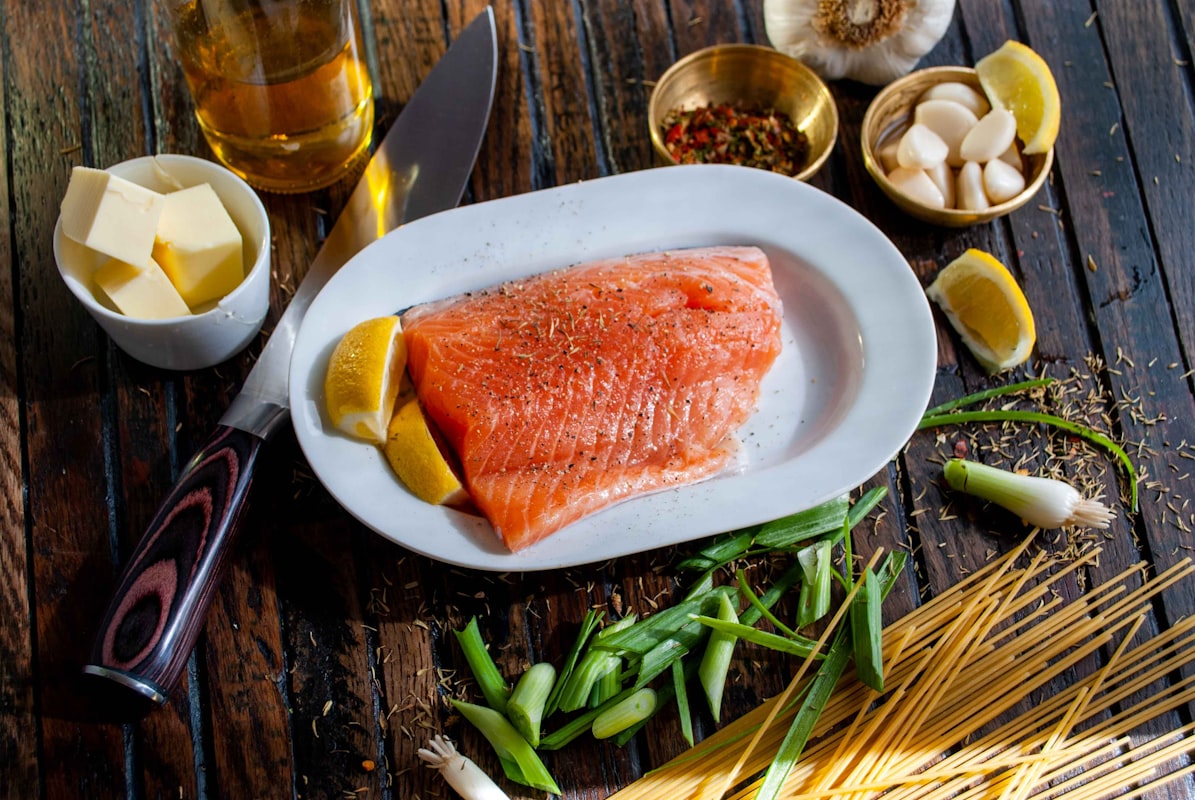
Lean Beef
Excellent source of high-quality protein with bioavailable iron and B vitamins. 100g of lean beef provides 26g of protein and supports energy and muscle recovery.
Learn moreWhy Trust Our Editorial Platform
Exercisedietguide is your dedicated resource for evidence-based nutrition information and practical wellness guidance. Our editorial team is committed to helping you make informed choices about your diet and fitness.
Evidence-Based Content
Our articles are researched and written by nutrition professionals who reference peer-reviewed studies and established dietary guidelines to ensure accuracy.
Practical Guidance
Beyond theory, we provide actionable advice on meal planning, food selection, and nutrition strategies you can implement into your daily life immediately.
Community Focus
We believe in the power of shared experiences. Our platform welcomes your questions and feedback, creating a supportive environment for collective learning.
Fitness Integration
We connect nutrition science with exercise physiology, helping you understand how protein intake supports your training goals and athletic performance.
Latest Research
We continuously update our content to reflect new nutritional science and emerging dietary trends, keeping our information current and relevant.
Transparent Information
We clearly distinguish between editorial content and any affiliate partnerships, ensuring you always know the source and intent behind our recommendations.

Your Complete Guide to Protein Nutrition
Whether you're an athlete building muscle, someone managing weight, or simply seeking better wellness, understanding protein is essential. Protein isn't just about muscle—it supports bone density, hormone production, immune function, and energy levels.
Our comprehensive guide covers everything: which foods contain the most bioavailable protein, how much you actually need based on your lifestyle, how to combine plant and animal sources for complete amino acid profiles, and practical strategies for meeting your daily targets without repetitive meals.
Protein Requirements by Activity Level
From sedentary adults to serious athletes—we clarify individual needs.
Complete vs Incomplete Proteins
Understanding amino acid profiles and combining foods wisely.
Meal Planning Strategies
Practical ways to distribute protein throughout the day for optimal results.
Budget-Friendly Protein Sources
Quality nutrition doesn't require expensive supplements or specialty foods.
Practical Steps to Boost Your Protein Intake
Implementing these strategies will help you consistently meet your daily protein needs while enjoying varied, delicious meals.
Calculate Your Personal Need
Begin by understanding your individual protein requirement. The general recommendation is 0.8g per kilogram of body weight for sedentary adults, while athletes and those building muscle may need 1.2-2.0g per kilogram. Use our nutrition guide calculator to determine your target.
Distribute Across Meals
Rather than consuming all protein in one meal, spread it across breakfast, lunch, dinner, and snacks. Research suggests 25-40g per meal optimizes muscle protein synthesis. This approach also keeps you satisfied throughout the day.
Combine Plant and Animal Sources
Variety ensures you get the full spectrum of amino acids and micronutrients. Pair beans with grains, add nuts to salads, include fish twice weekly, and consume eggs regularly. This diversity also prevents boredom and supports overall wellness.
Prep Simple High-Protein Meals
Meal preparation makes consistency easier. Cook large batches of grilled chicken, boiled eggs, or legumes on weekends. Portion them into containers with vegetables and whole grains for grab-and-go meals throughout the week.
What Our Readers Say
Real experiences from people who have applied our nutrition guidance to transform their health and fitness results.
"I've been following the protein nutrition guide for three months now, and the changes in my energy levels and muscle definition are remarkable. The breakdown of different protein sources was incredibly helpful—I never knew how to properly combine plant-based foods to get complete proteins. The meal prep strategies saved me so much time and money."
Maria Rodríguez
Fitness Enthusiast, Barcelona
"As someone recovering from injury, I needed to rebuild strength without expensive supplements. Exercisedietguide's article on budget-friendly protein sources was a game-changer. I'm building muscle on eggs, chicken, and beans instead of fancy powders. The science-backed information gave me confidence that I was doing the right thing."
Carlos Mendez
Personal Trainer, Madrid
"I'm vegetarian and struggled to get enough protein variety. The detailed guide on plant-based proteins finally helped me understand lentils, chickpeas, and tofu combinations. Within weeks, my strength workouts improved and I felt more energetic. The transparency about amino acid profiles was exactly what I needed to make informed choices."
Ana Ruiz
Yoga Instructor, Zaragoza
"The practical steps section was exactly what I needed to stop overthinking. Following the four-step system, I now naturally hit my protein targets without stress. My recovery after gym sessions is noticeably better, and I appreciate that the guidance is based on actual research, not marketing hype."
Diego Fernández
Weightlifter, Valencia
Frequently Asked Questions
Find answers to common questions about protein nutrition, food sources, and dietary strategies.
The recommended dietary allowance (RDA) is 0.8g per kilogram of body weight for sedentary adults. However, individual needs vary: athletes and those doing strength training typically need 1.2-2.0g per kilogram; older adults may need slightly higher amounts to maintain muscle mass. Consult our nutrition guide or speak with a registered dietitian for personalized recommendations based on your specific goals and lifestyle.
Stay Updated with Expert Tips
Get actionable nutrition and fitness advice delivered weekly. Join thousands of readers improving their health.
Your privacy is protected. No spam, ever.
Success Stories
Real results from readers of Exercise Diet Guide
Sarah M.
Lost significant weight in 4 months
"The meal planning guides made it so easy to stick to my diet. I finally understand nutrition, not just calories. Highly recommend!"
James T.
Built 12 lbs of muscle
"The workout and nutrition combo articles are game-changers. I've never been more consistent with my fitness routine."
Maria L.
Improved energy & health markers
"Learned how to eat sustainable, not restrictive. My doctor noticed improvements in cholesterol and blood pressure!"
Frequently Asked Questions
Common questions about nutrition and fitness
Most people benefit from 0.7–1.0 grams of protein per pound of body weight, depending on activity level. Athletes and those building muscle aim for the higher end. We recommend consulting our detailed protein guide or a registered dietitian for personalized advice based on your goals.
Absolutely! Affordable sources like eggs, canned tuna, chicken thighs, beans, lentils, and oats provide excellent nutrition. Consistency with training and adequate calories matter more than expensive supplements. Check our budget meal plans for detailed strategies to optimize nutrition affordably.
Not necessarily. The best diet is one you can sustain. Carbohydrates fuel workouts and recovery, making them essential for most fitness goals. Focus on whole grains, oats, sweet potatoes, and legumes. Balance carbs with protein and healthy fats—learn more in our comprehensive nutrition guides.
Most guidelines recommend 150 minutes of moderate cardio or 75 minutes of intense cardio weekly, plus 2–3 strength sessions. Beginners should start with 3–4 sessions per week and progress gradually. Our workout guides offer beginner-friendly routines to help you build consistency safely.
Not required, but helpful for proper form and accountability. Many people succeed with structured online programs, workout apps, and community support. We provide detailed exercise guides with form tips and progressions. Find what motivates you and stay consistent—that's the real key to success.
Ready to Transform Your Health?
Start with our free guides and join a community committed to sustainable fitness and nutrition.
2024 Exercise Diet Guide. All rights reserved. | Privacy Policy | Terms of Service